Tanks
Three Kinds of Tanks, Three Jobs
Plumber Jefferson City MO can line up help with three kinds of tank: the small thermal expansion tank beside a water heater, the pressure tank that backs a private well pump, and the larger storage tank used for emergency or rainwater supply. Trouble announces itself as pressure that surges or sags, a well pump that cycles rapidly, a relief valve that leaks, or damp connections, and waiting only makes each one worse.
Getting it right means matching volume to the system, setting the air pre-charge against line pressure and fitting proper valves, then checking joints for leaks once the water is back on. That applies whether the job is a dead expansion tank, a waterlogged well tank or a storage tank joining the house plumbing in Jefferson City, MO.
Tank Services
What Tank Work Covers
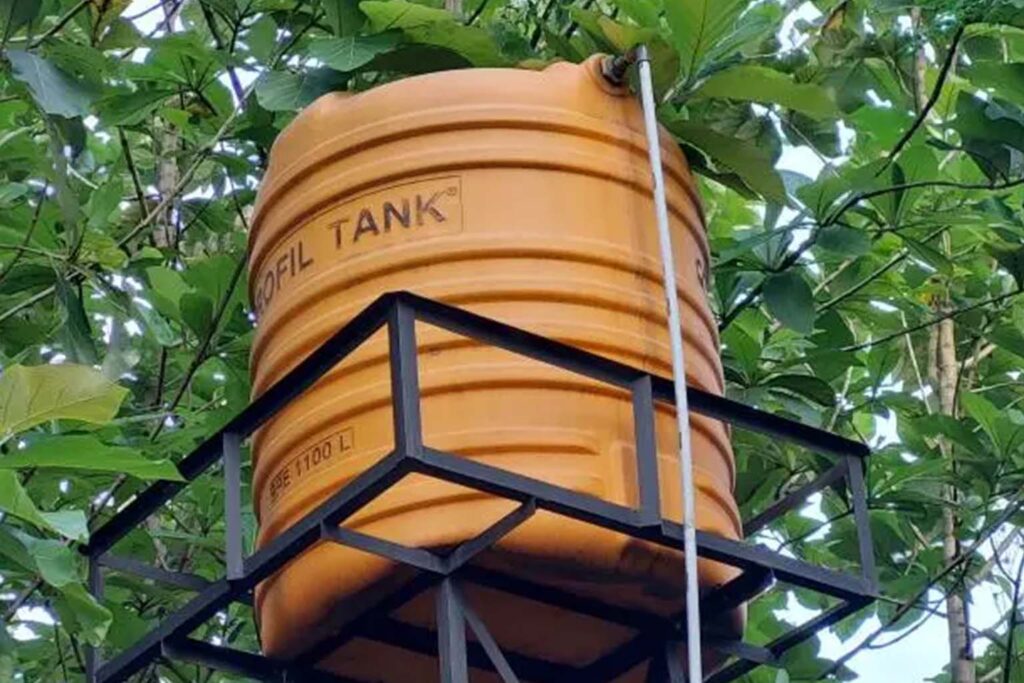
Installing a New Tank
Tanks for expansion, wells or storage are chosen to suit the heater’s capacity, the pump or the household draw.
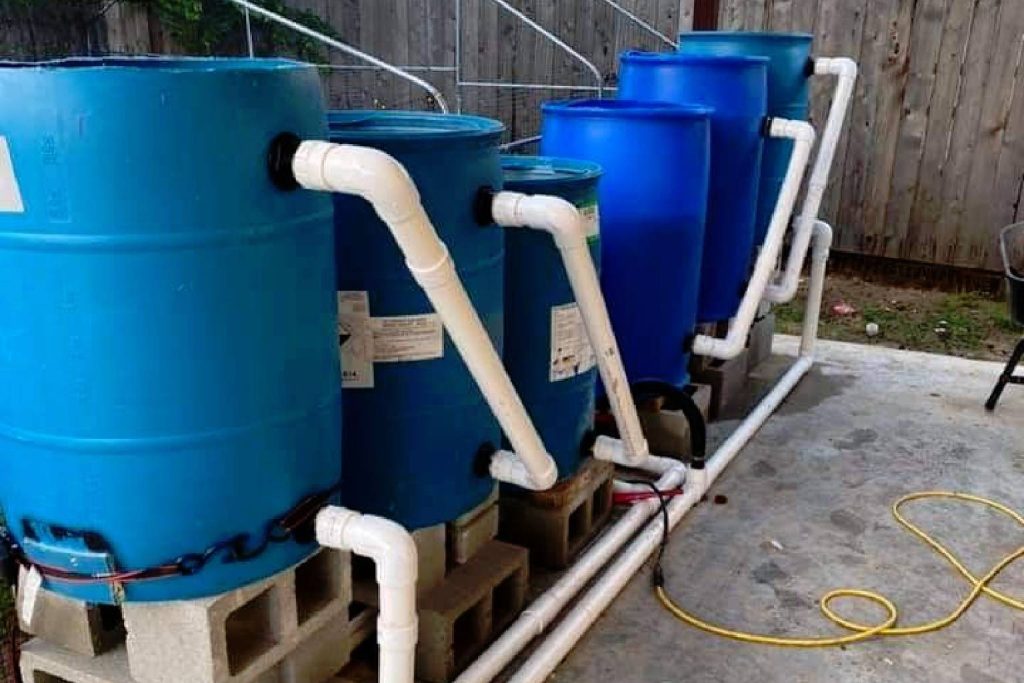
Replacing a Worn Tank
Rusted-through, leaking, waterlogged or undersized tanks come out and a correctly sized, suitable replacement goes in.
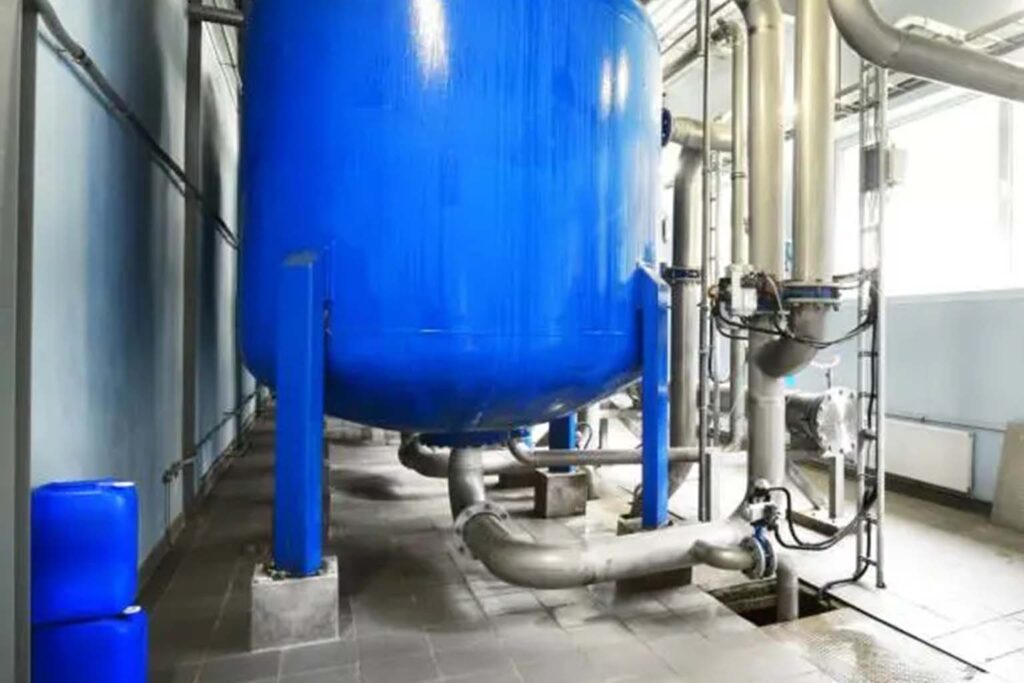
Expansion Tank Care
Verifying the pre-charge, fitting a new tank where the old one is spent, and ending relief-valve dribble whenever the heater runs.
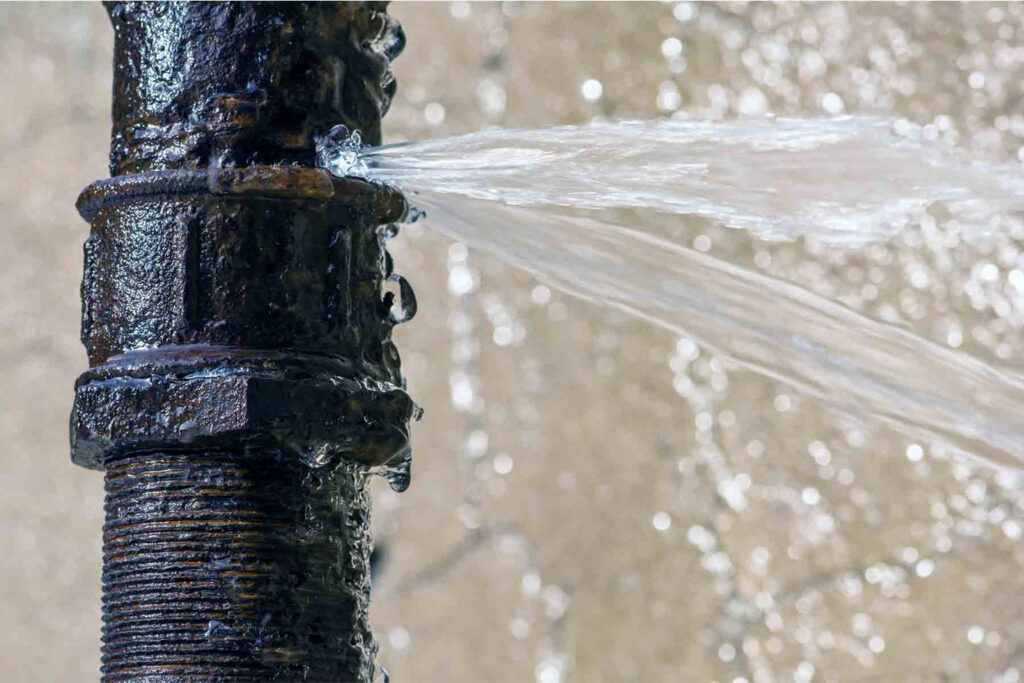
Stopping Drips
Moisture at the shell, the connections or the valves should be traced and stopped before it reaches the flooring or drywall.
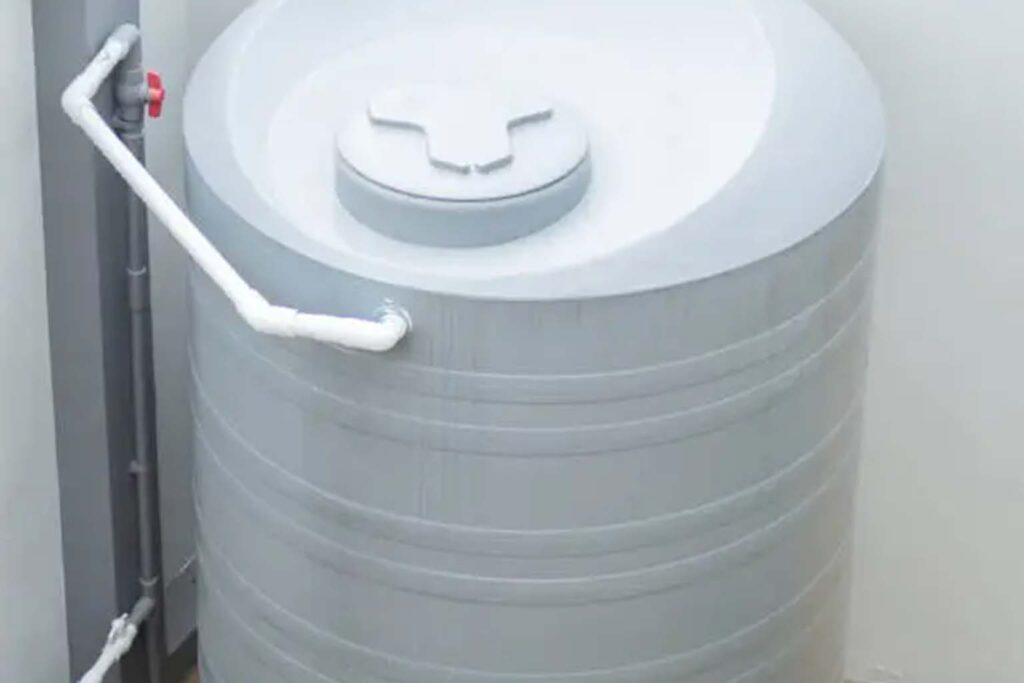
Well Tank Troubleshooting
Waterlogged tanks, off-spec pressure-switch settings and short-cycling pumps all wear out well gear early, so each needs diagnosing.
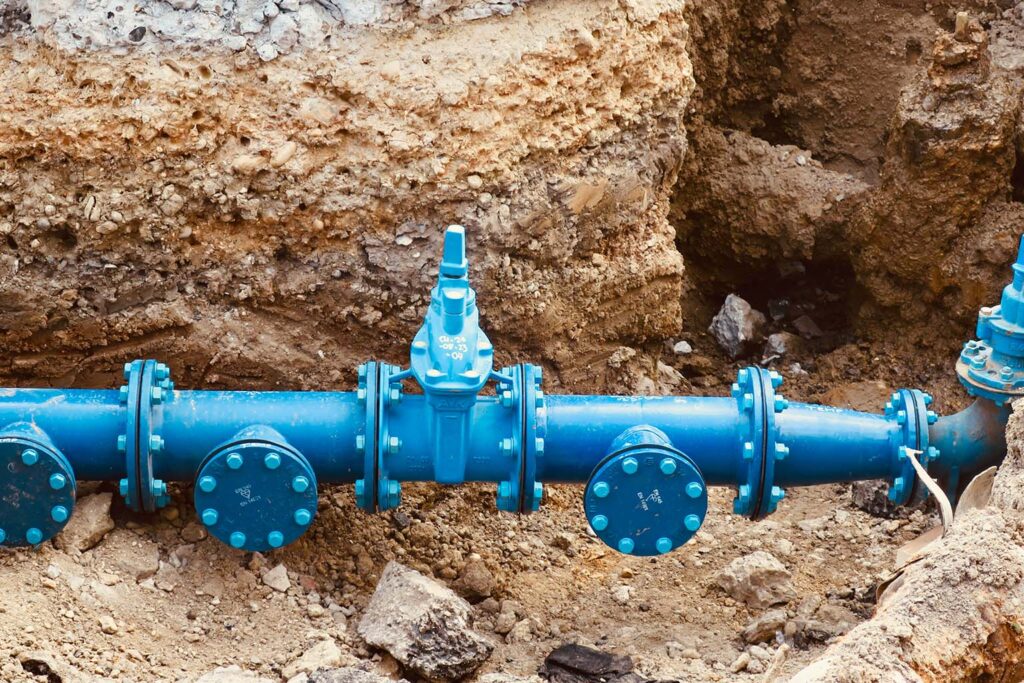
Fittings Around the Tank
Rusty pipe, stiff shut-off valves and old gauges near the tank are worth changing together.
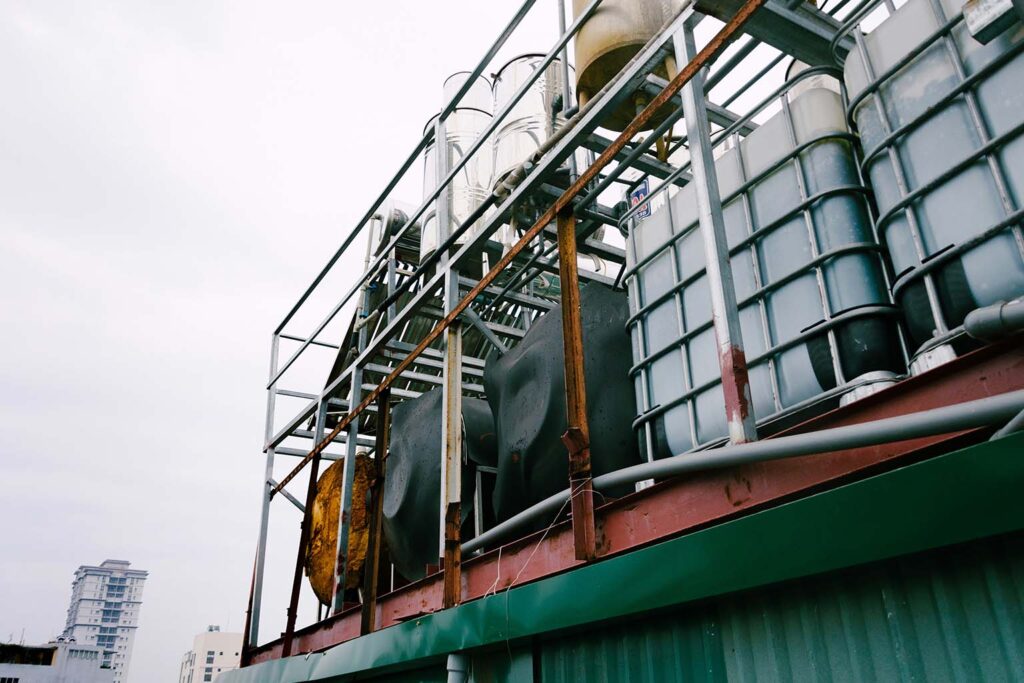
Hooking Up Storage Tanks
Backup and rainwater tanks need their pumps, filters and backflow protection piped into the house in the correct way.
Hiring Notes
Water Tank Work Through Plumber Jefferson City MO

Sized and Set Right
Manufacturer instructions govern sizing, mounting and hookup, and the system should be tested once the tank is connected.

Close to Home
Requests cover homes throughout Jefferson City, MO; describe the tank and where it sits when you get in touch.

Root-Cause Fixes
Dead expansion tank or tired well tank, the fault itself should be fixed, not just masked over.

Straight Answers
Settle capacity and construction with the installer first, to fit your heater, well or storage plan.

Tidy Job Site
Ask whether drop cloths go down and the work area gets swept up when the job wraps.
A tank problem rarely fixes itself; pressure swings and drips are the early warning worth acting on.
Warning signs
Tank Problems That Show Up Often
- Weeping tank or joints
- Relief valve leaking at the heater
- Pressure that surges at the tap
- Well pump that cycles constantly
- Rust streaks on the shell
- Pressure tank full of water
- Hammering in the walls
- Expansion tank failed or too small
- Tank that cannot keep pressure
The cause comes first, and January lows near 21°F strain tanks sitting in cold garages.
Coverage in town
Neighborhoods Around Jefferson City, MO Where Tank Jobs Happen
Service calls come in from these areas:
Questions Answered
Tank Questions
Why do heaters get a small side tank?
Warm water occupies more volume. A closed plumbing loop gives that growth nowhere to go, so the pressure rises on pipes, valves and the heater. An expansion tank’s air pocket takes up the surplus, holding pressure steady and the relief valve quiet. Without that cushion the strain repeats every heating cycle.
Is my expansion tank still doing its job?
Rap on the tank with a knuckle. Hollow near the top is normal; a flat thud the whole way up means water has taken over the air space. Other giveaways: a relief valve that leaks, a pressure spike when the heater runs, and water dribbling from the tank’s air valve.
What warning signs does a well pressure tank give?
Listen at the pump: if it starts and stops every few seconds while water runs, the tank has stopped buffering. A pressure gauge that jumps around, sputtering faucets and a tank wearing rust or beads of moisture add to the picture.
Why is the valve on my heater weeping?
Frequently the heater’s pressure climbs each cycle because no working expansion tank is absorbing it. A worn valve may also drip. Get it checked either way, and never plug a relief valve, since it is a safety device that protects the tank and the plumbing.
What is a pressure tank's working life?
Water chemistry, set pressures and the number of pump starts each day decide when a tank gives up. Verifying the air charge at service time, and chasing short cycling quickly, are the biggest levers on longevity.
Is a DIY tank swap a good idea?
It is possible, though you have to drain the system, set the tank’s pre-charge to line pressure and make joints that do not weep. A mistake can soak a utility room. Missouri has no statewide plumbing license, so check any plumber with the Plumbing Examiners and Review Board.
Which expansion tank size is right?
Two numbers decide it: the heater’s capacity and the household line pressure. A plumber checks them both. A tank that is too small leaves pressure rising, while an oversized one only adds needless expense and takes up room in the utility space.
Is a heater expansion tank something I need?
With a closed system (a check valve or pressure-reducing valve on the main is the usual cause), thermal expansion has nowhere to go, so one is normally needed, and many building codes ask for it when a heater goes in. Have a plumber inspect the setup.
Why does my well pump stutter on and off all day?
If the pump starts and stops rapidly, the tank is probably out of air or its internal bladder has ruptured, leaving no pressurized reserve. A failing pressure switch is another suspect. Left alone, the constant cycling shortens pump life.
Which style of tank suits my situation?
That depends on the job. Closed-system water heaters get expansion tanks, private wells suit bladder-style pressure tanks, and above-ground storage usually means a polyethylene tank. The right pick becomes clear once the tank’s purpose is settled.
What shapes a tank replacement quote here?
Quotes move with tank type and capacity, access to the spot, and any pipe or valve replacement bundled in. Ask for the number in writing once the system has been inspected, before work starts.
Does a rain barrel or cistern need a pad?
Not always, but the base must be firm and level: a slab for big tanks or soft ground, gravel or a rated platform for smaller ones. Outdoor tanks also need strapping; an EF3 tornado hit the city’s southwest side in May 2019.