The main sewer line clog cost depends on the blockage, pipe condition, access, urgency, and needed work. A simple cleaning is usually less involved than pipe repair or replacement. A licensed plumber should inspect the line, explain the cause, and confirm the final cost in a written quote before work begins.
How Much Does a Main Sewer Line Clog Cost to Fix?
A main sewer line clog may cost more to fix than one blocked sink or toilet. The final repair costs depend on what caused the clog, where it sits, and which tools are needed. The cost also changes if the pipe itself has damage. An inspection and written quote are the best ways to know the full scope of work.
What factors determine the overall repair cost?
Many conditions can change the work needed. A clog close to an easy-to-reach cleanout may be simpler to clear. A blockage under a slab, driveway, or garden can take more work. Roots, broken pipe sections, thick buildup, and loose joints can also make the job harder.
Urgency can affect the work plan too. Sewage backups may harm floors, walls, furniture, and indoor air. Keep children and pets away from dirty water. Do not use toilets, sinks, showers, washing machines, or dishwashers until a plumber gives clear advice.
Other factors include the length of the damaged pipe, the property layout, and local permit rules. Businesses may have larger lines and more fixtures tied to one system. Older homes may have old pipe types or past repairs that need a closer look.
The final cost is confirmed on a quote after the plumber finds the cause and scope. Plumber Jefferson City MO helps Jefferson City property owners understand which option suits the line. This is safer than guessing from symptoms or comparing unrelated plumbing costs.
How does a main sewer line repair compare with a drain cleaning?
Routine drain cleaning often treats buildup or a clog in one fixture branch. Main sewer line work deals with the larger pipe that carries wastewater away from the property. Because it serves many fixtures, main line work is often more involved than cleaning a sink, shower, or toilet.
A plumber may first clear the line with professional tools. If the clog comes back, a camera inspection may show roots, cracks, shifted joints, or a collapsed area. Repair or replacement may be needed when cleaning does not restore safe flow. This is one reason a main sewer line clog cost cannot be judged by a simple toilet repair cost.
What Causes a Main Sewer Line Clog?
Main sewer line clogs often come from roots, pipe damage, grease, wipes, heavy buildup, or objects that do not belong in the system. Some blockages grow slowly. Others cause a sudden backup. Finding the cause matters because clearing the pipe alone may not stop the trouble from returning.
How do tree roots, damaged pipes, and buildup create blockages?
Tree roots can enter small cracks or loose pipe joints underground. They grow around the opening and catch paper, grease, and other waste. Roots are more common near mature trees, but they can affect many older sewer systems.
Pipe damage can also reduce flow. Moving soil, ground shifts, weak joints, corrosion, and age may create cracks or gaps. A collapsed section can stop wastewater from moving. A camera inspection shows damage that cannot be seen from inside the home.
Buildup is another common cause. Grease can harden inside a line. Wipes and paper products may collect where the pipe already has weak flow. Even products labeled flushable can cause clogs when used often. Toilets should receive human waste and toilet paper only.
Which property conditions make sewer clogs more likely?
Older underground pipes may face a greater risk of leaks, root entry, and joint failure. Large trees near the sewer route may raise that risk. Low spots in the yard, repeated backups, and past sewer repairs are useful facts to share with a plumber.
Commercial kitchens may put more grease into their waste lines. Multi-unit buildings may have many fixtures using one main pipe. New landscaping, remodeling, or construction can also affect buried lines. Property owners should mention these changes during the inspection.
Maintenance can help lower some risks. Keep grease, wipes, and harsh products out of drains. Watch for slow flow before a small issue becomes a large backup. These steps cannot prevent every sewer failure, but they can reduce avoidable clogs.
What Signs Indicate a Clogged Main Sewer Line?
A main line blockage often affects several fixtures at once. Toilets may gurgle, floor drains may fill, or wastewater may return through a tub or shower. One slow sink often points to a branch clog. Repeated or widespread signs need a professional check.
How can homeowners distinguish a main line blockage from a single-drain clog?
A single-drain clog usually stays near one fixture. A main sewer problem often slows drains in more than one room. Flushing a toilet may make a nearby shower bubble. Running a washing machine may send water into a floor drain.
Common warning signs include:
- Several drains slowing at the same time
- Toilets bubbling or making a gurgling sound
- Sewage odors near drains or cleanouts
- Wastewater returning through a tub or floor drain
- Backups that return after temporary clearing
Do not keep testing the system by running more water. That can push wastewater into living areas. A plunger may help with one small fixture clog, so a professional is not always needed for that simple check. Repeated or widespread symptoms need a plumber to inspect the main line.
When do sewage backups require urgent plumbing attention?
A sewage backup needs urgent help when wastewater enters a home, business, or shared building area. Dirty water can carry harmful germs and damage soft materials. Avoid contact, keep children and pets away, and follow local health advice for cleanup.
A blocked line is also urgent when toilets will not flush, drains overflow, or the property has only one usable bathroom. Plumber Jefferson City MO serves the main Jefferson City area, from Downtown Jefferson City and Capital Mall to Holts Summit, Wardsville, St. Martins, Taos, and nearby communities. The company provides drain cleaning and emergency plumbing support for serious blockages.
Quick action may limit damage and show whether the line needs cleaning or repair. In Jefferson City, property owners should stop water use as soon as several fixtures show the same warning signs.
How Can Homeowners Prepare for Main Sewer Line Repair?
Homeowners can prepare by stopping water use, clearing access to cleanouts, and writing down details about past backups. They should not pour harsh chemicals into a blocked main line. Chemical drain products may harm people, pipes, and nearby fixtures. They also cannot repair a cracked or collapsed sewer pipe.
What happens during inspection, cleaning, and repair?
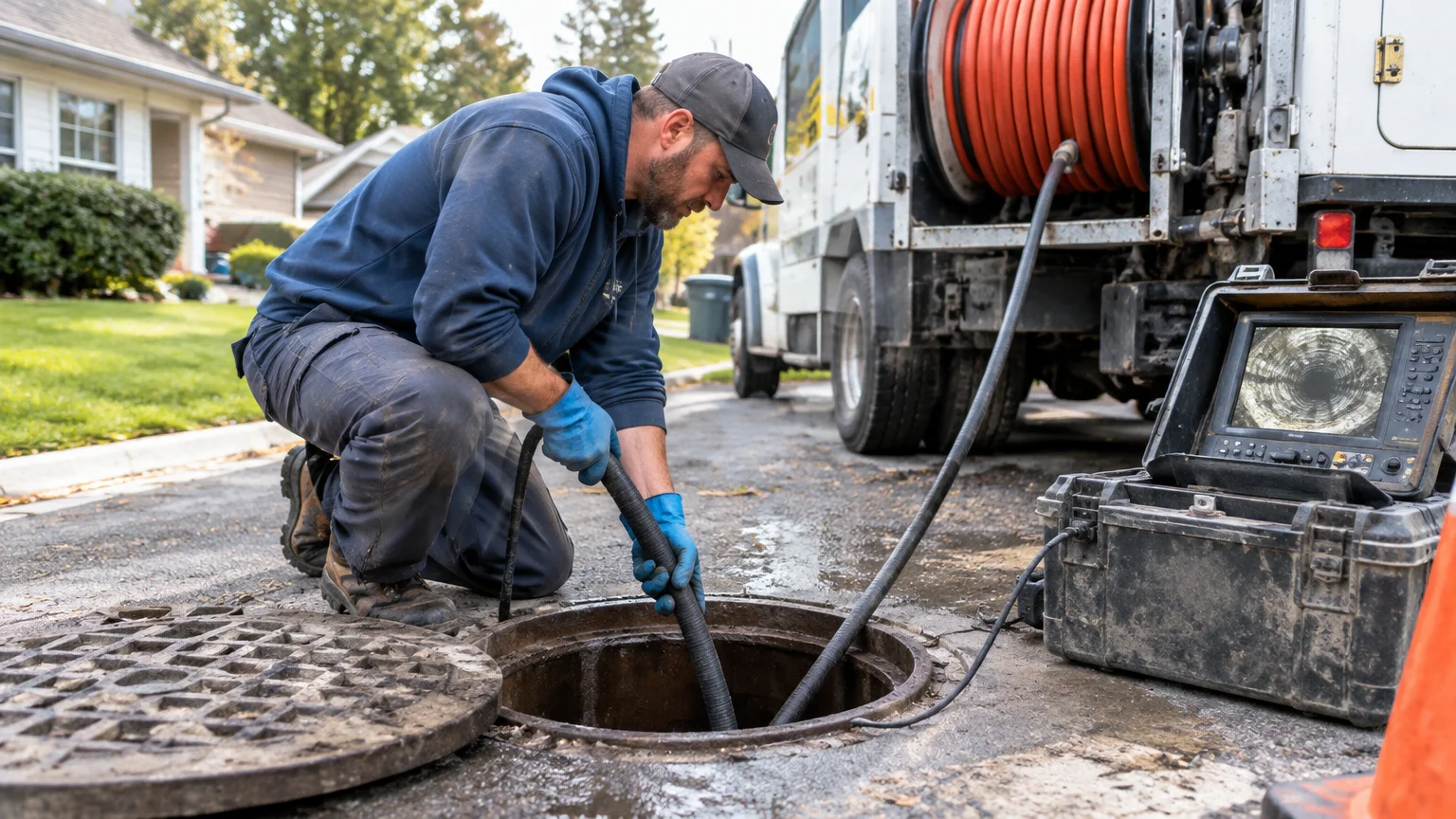
The plumber first asks about the symptoms. They check accessible cleanouts and fixtures. The next step may use a professional cable tool or water jetting. Water jetting uses a focused stream of water to remove some buildup from inside a pipe.
A camera inspection may follow. It shows the inside of the pipe and can reveal roots, cracks, standing water, shifted joints, or a collapse. If the line is sound, cleaning may restore flow. If the pipe is damaged, the plumber explains repair or replacement choices and confirms the work in a written quote.
Before the visit, move items away from cleanouts. Note when the symptoms began and which fixtures are affected. Tell the plumber about recent digging, tree removal, remodeling, or past sewer work. Tenants should alert the property owner or manager when a backup starts.
How can property owners prevent future sewer line problems?
No maintenance plan prevents every sewer failure. Still, good habits can reduce avoidable clogs. Keep grease, cooking oil, wipes, paper towels, and household chemicals out of toilets and drains. Use sink strainers and clean them often.
Property owners can ask about periodic camera checks when a line has a history of roots or backups. Watch for slow drainage and strange sounds instead of waiting for an overflow. Landscaping work should account for the sewer route, especially near mature trees.
If a line keeps backing up, repeated cleaning may not solve the real issue. Roots, poor slope, a crack, or a collapsed section may need repair. The right plan depends on the pipe condition, access, and amount of damage.
Key takeaways
- A main line clog affects the shared sewer pipe, not only one fixture.
- Roots, pipe damage, grease, and unsuitable items are common causes.
- Several slow drains or sewage odors may signal a main line problem.
- Homeowners should stop water use during a sewage backup.
- The final cost is confirmed after inspection and a written quote.
Frequently Asked Questions
Is a main sewer line clog an emergency?
It can be, especially when sewage enters the property or several fixtures stop draining. Avoid contact with wastewater and stop using plumbing fixtures until the line is checked. A plumber can decide whether the issue needs immediate cleaning, repair, or further cleanup.
Can a homeowner clear a main sewer line?
A homeowner can remove visible debris from a drain cover and use a plunger on one fixture. Main lines are different. They may need special tools and a camera inspection. DIY digging, harsh chemicals, or repeated flushing can worsen damage and increase cleanup work.
How does a plumber find a sewer line blockage?
The plumber reviews the symptoms, checks cleanouts, and tests drainage. Professional cable tools may clear the blockage. A sewer camera can then show roots, breaks, buildup, or a collapsed section. This helps separate a temporary clog from a pipe problem that needs repair.
Will cleaning prevent another sewer backup?
Cleaning may solve the problem when buildup caused the blockage. It will not fix a cracked pipe, root entry, poor slope, or collapsed section. If backups return, ask for a deeper inspection. The repair plan should address the cause, not only the symptom.
Conclusion
A main sewer line clog can disrupt a home or business quickly. Stop water use, keep people away from wastewater, and arrange an inspection. A plumber can then explain the cause, compare cleaning with repair, and confirm the final cost in a written quote.
Plumber Jefferson City MO helps property owners make informed choices about blocked drains, sewer problems, and related plumbing repairs. Contact us to arrange professional help for a suspected main sewer line blockage.