Common plumbing emergencies include burst pipes, major leaks, overflowing toilets, sewage backups, and water heater failures. These common plumbing emergencies can put people at risk or damage a building. Shut off water if it is safe, stay away from electrical or gas dangers, and call a licensed plumber when quick plumbing repair is needed.
Plumbing trouble can be stressful, especially when water spreads or a fixture stops working without warning. Start by protecting people and keeping clear of unsafe areas. This guide explains urgent warning signs, safe steps you can take, and when to ask a professional for help.
Table of Contents
- What counts as a plumbing emergency?
- What should you do when a pipe bursts?
- When does a plumbing leak need emergency attention?
- What should you do about an overflowing toilet?
- When is a blocked drain an emergency?
- Which water heater problems need urgent repair?
- What should you do if a sewer line backs up?
- Are low water pressure or no water signs of an emergency?
- When should you call an emergency plumber?
- How can you reduce the risk of future plumbing emergencies?
- Key takeaways
- Frequently Asked Questions
- Conclusion
What counts as a plumbing emergency?
A plumbing emergency is a problem that may soon threaten health, safety, or property. A burst pipe, sewage inside a home, or a large leak often needs urgent help. A small drip or slow drain may wait if it stays contained and no other warning signs appear.
How can someone judge the immediate risk?
First, check whether water is spreading, sewage is present, or water is near electrical items. A leak that reaches a wall, ceiling, floor, or electrical panel can cause damage beyond the wet spot. Keep people and pets away from unsafe areas. Never step into standing water if an electrical danger may be nearby.
A strong gas smell near a water heater or another gas appliance is a safety risk. Do not use a flame to check for a leak. Do not turn nearby switches on or off. Leave the building, then contact emergency services or the gas utility from a safe place. Stay outside until officials say it is safe to return.
When can a plumbing problem wait?
A small drip may be less urgent if you can catch it safely and it does not get worse. A toilet that runs without spilling water is not the same as one overflowing onto the floor. Still, even a minor leak can waste water or harm nearby materials. Arrange service soon if it continues.
The location also matters. A leak above a business, shared wall, or rented unit may affect other people. Plumber Jefferson City MO can help residents and property owners judge an urgent plumbing issue and decide what needs quick attention. If you are not sure how serious it is, take warning signs seriously and ask a qualified plumber for advice.
What should you do when a pipe bursts?
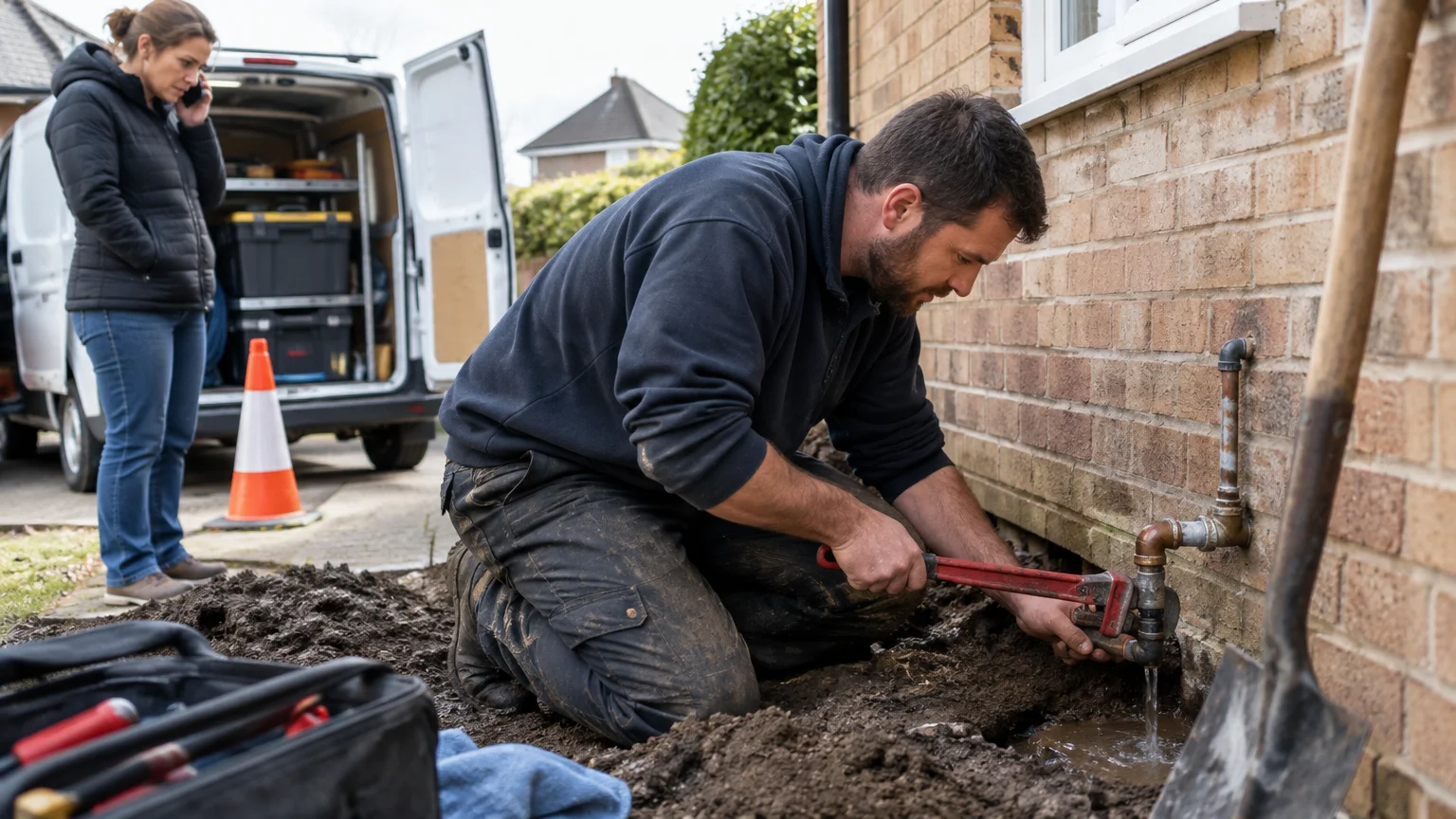
If a pipe bursts, stop the water if its shutoff valve is safe to reach. Then protect people and belongings from the leak. A broken pipe can send water through rooms, ceilings, and cabinets. Call a plumber if you cannot stop the flow or water keeps coming.
How can someone shut off the water?
If it is safe, turn the small shutoff valve near the affected sink, toilet, or appliance. If that does not stop the leak, use the building’s main water valve. Its location can vary. It may be near where the water line enters the building, in a utility space, or somewhere else that is easy to reach. Find it before an emergency happens.
Do not enter a flooded space to reach a valve if water may be near electrical equipment. Keep away from wet outlets, cords, and appliances. If the valve is stuck, broken, or hard to reach, do not force it. Tell the plumber what is happening, then wait somewhere safer.
What can be done while waiting for help?
After stopping the water, move furniture and valuables away from the wet area. A towel or bucket may help with a small, controlled leak. Do not try to remove water where an electrical danger may exist. Take clear photos from a safe spot for your records, insurer, or property manager.
A pipe can break because it is worn, a fitting is loose, or the pipe has other damage. The visible hole may not show the full problem. Leaks & Burst Pipes service can help with pipe failures, while a plumber can check nearby pipe sections and restore safe use. Do not treat wrapping a damaged pipe as a lasting repair. A temporary fix can fail without warning.
When does a plumbing leak need emergency attention?
A leak needs urgent help when water flows freely, spreads, reaches electrical equipment, or harms walls, ceilings, and floors. A hidden leak can also cause serious damage because water may collect out of sight. Turn off water if it is safe, stay away from hazards, and arrange a professional check if you cannot find the source.
What are signs of a hidden leak?
A damp patch, peeling paint, soft flooring, or a musty smell may point to water inside a wall or below a floor. A ceiling stain may come from a pipe above, but the stain does not show where the leak began. Water can travel from the damaged pipe before it appears on a surface.
Other clues include hearing water when all fixtures are off. A water meter that keeps moving while no one uses water may also be a clue. These signs do not prove a leak on their own. They do mean the system may need a closer check. Do not open a wall or floor unless you know where pipes and wires run.
How can damage be limited safely?
Turn off the nearest safe valve, or the main valve if needed. Move items away from wet areas. Keep people out of a room if its ceiling sags or floor feels weak. Do not touch wet electrical devices. If water is near an electrical panel, leave the area and contact the right emergency or utility service.
A small drip may seem manageable for a short time, but hidden water can keep harming building materials. A plumber can find the source and choose the right repair. Homeowners and property managers can ask Plumber Jefferson City MO about leak checks and urgent repairs. A prompt check may show whether the problem is a fixture or a pipe behind a wall.
What should you do about an overflowing toilet?
If a toilet overflows, stop more water from entering before trying to clear the clog. If the water is rising, use the nearby shutoff valve if the floor is safe. Do not flush again. If water keeps coming back or other drains are affected, the cause may involve more than one fixture.
How can someone stop more water from entering?
Turn the toilet shutoff valve clockwise gently if it works and the floor is safe. If the tank keeps filling and the valve does not work, lift the tank lid and raise the float to pause the fill valve. Do not force parts that are stuck or unfamiliar. Keep children and pets away from dirty water.
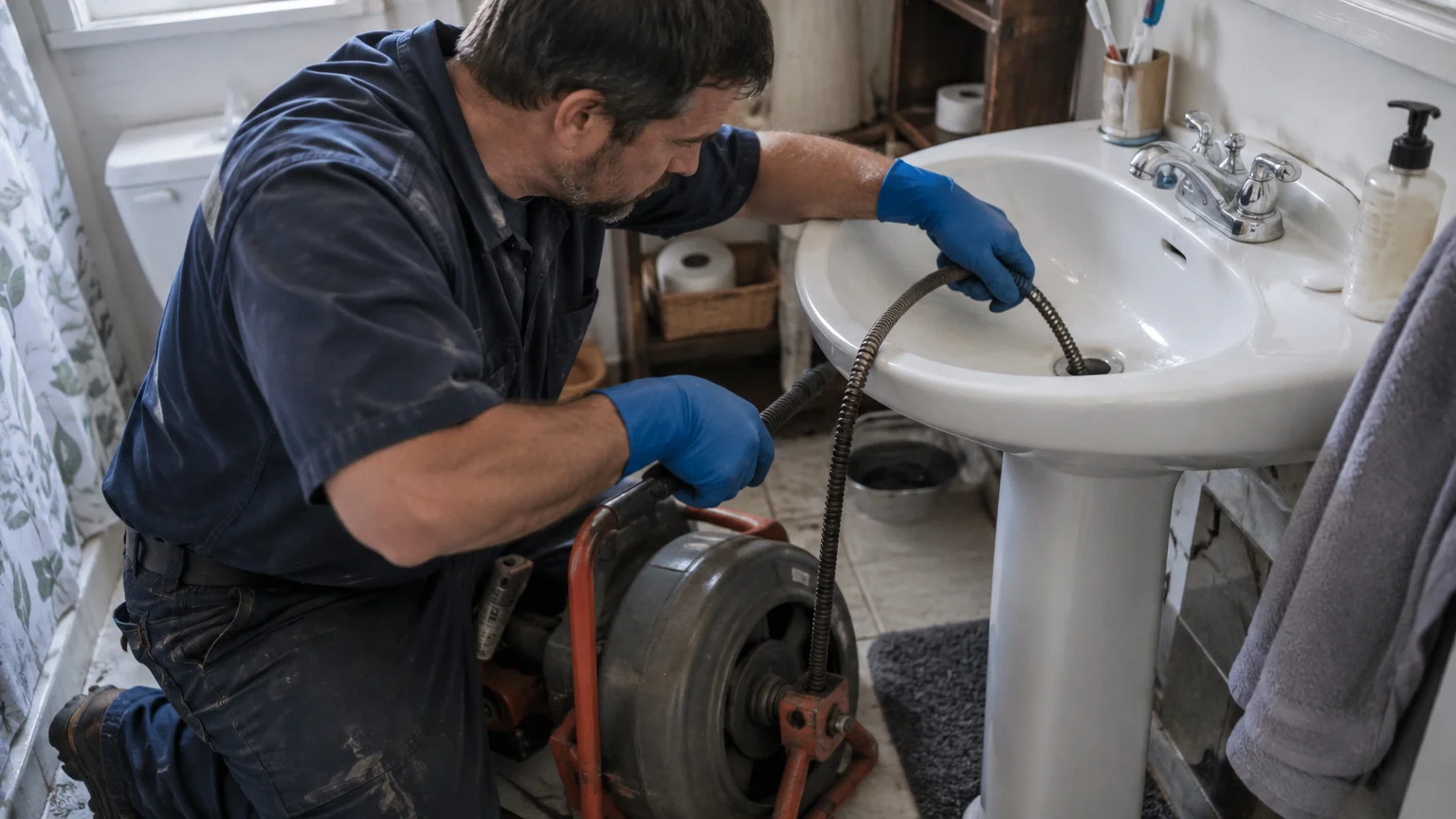
Once the bowl stops rising, a toilet plunger may clear a simple clog. Use one made for toilets and work gently to avoid splashes. Do not pour chemical drain cleaner into the toilet. It may harm pipes or create a danger during later repair. If plunging does not work, stop and call a plumber.
A toilet that runs but does not leak or overflow is often not an emergency. You may check whether the handle is stuck or a tank part looks out of place. If it keeps running, turn off its water valve if it is safe and easy to use. Then arrange Toilet Repair.
When may a blockage point to a larger problem?
If a toilet backs up while a nearby tub or sink drains, the clog may be farther down the drain system. Several fixtures acting strangely at once can also point to a larger issue. Repeated clogs may need more than a plunger. Do not keep flushing to test the toilet. A plumber can look for the cause without risking another overflow.
When is a blocked drain an emergency?
A blocked drain is urgent when wastewater comes into the home, several drains stop working, or water threatens floors and belongings. One slow sink may have a local clog. Several affected fixtures can point to a larger drain or sewer issue that needs a professional check.
What are warning signs of a main sewer line backup?
A sewer line carries used water away from a building. A backup may send water or waste through a toilet, tub, shower, or floor drain. Gurgling sounds, bad sewer smells, and more than one slow fixture may be warning signs. Other problems can cause these clues, so a plumber needs to inspect the system.
Do not use sinks, toilets, washing machines, or other fixtures if wastewater is coming back inside. More water may make the backup worse. Keep people and pets away from the area, and do not touch sewage. A plunger or store-bought drain product will not fix a main line problem. It may also make repair or cleanup harder.
Why do multiple slow drains matter?
When several drains slow down at once, the cause may be beyond one sink trap. A trap is the curved pipe under a fixture that holds water and helps keep sewer gas out of a room. A clog in one trap may affect one fixture. A deeper blockage may slow several drains.
You can remove visible hair or debris from a sink stopper if the task is simple and the area is clean. Stop if a fitting is stuck, a leak starts, or the clog remains. Do not mix drain chemicals or use them with a plunger. Splashes can hurt skin or eyes. For clogs that return or affect several fixtures, professional drain service is safer.
A single slow drain without a backup may be suitable for a planned repair. Waste entering the home cannot wait. Note which fixtures are affected and when the problem began. This helps a plumber judge how urgent the job is and where to start checking.
Which water heater problems need urgent repair?
A water heater needs prompt help if it leaks heavily, is unsafe to approach, has electrical damage, or is near a gas smell. A small drip near a fitting still needs attention, but the source matters. Turn off the unit only if its controls are safe to reach and you understand the instructions.
What should someone do if a water heater leaks?
If water leaks from the bottom of a water heater, do not assume the tank is the source. Water may come from a valve, a connection, or a nearby pipe. If water is flowing, stay clear of electrical parts. Shut off the heater’s water supply only if its valve is safe to reach.
Do not touch a wet plug, wire, or control panel. If the heater uses gas and there is no gas smell, follow the maker’s instructions only if it is safe. If you are unsure, leave the controls alone and call a qualified plumber. Water Heater Repair can help find the cause and decide what repair is safe.
What if there is a gas smell or electrical damage?
If you smell gas, leave the building right away. Do not use a phone inside, turn lights on or off, or operate appliances. Once outside and away from the building, contact emergency services or the gas utility. Do not go back inside until officials say it is safe.
Visible sparks, damaged wires, or water near electrical parts also mean you should keep your distance. Do not try to dry or fix electrical equipment yourself. You may look for a puddle from a safe place, but do not approach a danger to find its source. A plumber or other qualified worker can check the equipment after the immediate risk is handled.
What should you do if a sewer line backs up?
If sewage enters a home, stop using water and keep people and pets away from the affected space. Sewage can carry germs and make people sick. Call a plumber to address the blockage. Use trained cleanup help if the affected area is larger than a small, contained spot.
How can someone recognize sewage inside?
Wastewater may appear in a floor drain, tub, shower, or toilet. It may have a strong, bad smell, but smell and appearance alone do not prove what is in the water. If several fixtures back up, or the problem returns after a basic clog is cleared, a sewer line issue may be present.
Stop using taps, toilets, laundry machines, dishwashers, and other water-using items. More water can add to the backup. Do not try to clear a sewer line through a cleanout unless you are trained. A cleanout is an access point for a drain line. Opening one can release wastewater with force.
What precautions help before professional help arrives?
Keep children, pets, and people who may be more at risk away from the dirty area. Do not touch sewage with bare hands or walk through it. If a small amount reaches a hard floor, avoid carrying it into other rooms. Do not mix household cleaners, especially products with different ingredients.
Take photos from a safe place and note which fixtures are affected. Tell the landlord or property manager promptly if a rental home or shared building is involved. Cleanup needs depend on how far the water spread and what it touched. Do not assume a room is safe just because visible water is gone. Wet materials may still need proper cleaning or removal.
Are low water pressure or no water signs of an emergency?
Low water pressure is not always an emergency, but a sudden change may point to a leak, valve issue, or supply problem. No water may come from work or an interruption outside the home. Check whether one fixture or the whole building is affected before deciding whom to contact.
What can cause low water pressure in a house?
If only one faucet has weak flow, its aerator may be blocked with small bits of mineral or dirt. An aerator is the small screen at the faucet opening. You may remove and rinse it if the faucet instructions allow. If the pressure stays low, the cause may be deeper in the fixture or pipe.
Low pressure throughout a home may have another cause. A partly closed valve, a leak, or a problem with the incoming water supply may be involved. Look for wet areas or unusual sounds, but do not open walls to search. If pressure drops suddenly or keeps changing, a plumber can check the system and find the source.
When should someone check with the water provider?
Ask neighbors if they also have low or no water. If nearby homes have the same problem, ask the local water provider about an interruption or work in the area. If only one property is affected, check valves you can safely reach. Call a plumber if the cause is not clear.
A sudden loss of water with wet floors, a running-water sound, or a visible pipe leak needs faster attention. If the supply is off but there are no leak signs, the issue may be outside the home. Search terms such as “plumber in Jefferson City” or “local plumbing service” can help describe what you need. Choose a licensed professional with experience in the problem.
When should you call an emergency plumber?
Call an emergency plumber if water will not stop, sewage backs up, a pipe breaks, or a gas or electrical danger may be present. Safety comes first. Leave an unsafe area and contact the right emergency service when needed. A plumber can then check and repair the plumbing problem.
What information helps when requesting urgent service?
Explain what happened, when it began, and whether water is still flowing. Say which rooms or fixtures are affected and whether anyone used the main shutoff. Mention sewage, a gas smell, an electrical concern, or a risk to a tenant or nearby unit. Do not enter an unsafe area to collect details.
Photos may help show damage if you can take them safely. Tell the plumber if the issue happened before and what steps you tried. Do not guess at the cause. A clear account of what you see is more useful than a firm guess. A licensed plumber can decide what checks are needed after arriving.
Why do recurring symptoms need a proper diagnosis?
A clog that returns, a leak that starts again, or water pressure that keeps dropping may have a deeper cause. Repeating a quick fix can hide the real problem and lead to more damage. A proper check looks at the affected parts and helps confirm whether the repair solved the cause.
For a business, plumbing trouble may affect workers, customers, and daily work. A landlord or property manager should record reports, steps taken, and rooms that cannot be used. Tenants should report urgent issues to the person who handles repairs and take safe steps to limit damage. Plumber Jefferson City MO serves Jefferson City and can help explain which plumbing service may fit an urgent need.
How can you reduce the risk of future plumbing emergencies?
Simple checks can help find plumbing trouble before it spreads. Look under sinks, around toilets, and near water heaters for damp spots or new drips. Keep shutoff valves clear and learn how they work before an urgent problem happens. These checks do not take the place of professional repair.
What routine checks are safe to do?
You can look for visible leaks, clear hair from a sink stopper, and keep items that should not enter drains out of them. Watch for toilets that run, changes in water pressure, or new sounds in pipes. If a task needs force, special tools, or work near gas or wires, stop and call a professional.
Test a shutoff valve only if it is easy to reach and shows no damage. Do not force a valve that will not turn. Ask a plumber to check it during planned work. Make sure adults in the home know where the main valve is. Keep stored items from blocking access.
What should owners, tenants, and managers record?
Write down when a problem began, which fixtures were affected, and whether it changed. Save photos of visible damage and note safe steps, such as turning off a fixture valve. Tenants should report a leak or backup to the landlord or property manager as soon as they can.
Owners and managers can keep repair records and share useful details with the plumber. These may include past leaks, repeat clogs, appliance changes, and rooms with water damage. Clear notes help show whether a problem is new or has returned. Plumber Jefferson City MO can help residents and property owners plan what to do when warning signs appear.
Key takeaways
- Stop water safely when a leak or pipe break is active, and stay away from electrical dangers.
- Treat sewage, gas smells, and electrical damage as safety risks. Leave an unsafe area and contact the right emergency service.
- Do not keep flushing or running water when several drains back up.
- Simple checks and cleaning may be safe to do yourself, but gas, wiring, hidden pipes, and repeat problems need a qualified professional.
- Record what happened and tell the plumber which rooms, fixtures, and valves are involved.
Frequently Asked Questions
What are the most common plumbing emergencies?
Common plumbing emergencies include burst pipes, major leaks, overflowing toilets, sewage backups, and sudden water heater failures. A problem is urgent if it can hurt someone, spread water, or damage a building. Shut off water if it is safe, avoid hazards, and contact a plumber when you cannot contain the issue.
What should someone do if a water heater is leaking from the bottom?
Stay clear of electrical parts and check the area only from a safe place. Water may come from a fitting or valve, not the tank itself. If the leak is active, shut off the heater’s water supply only if its valve is safe to reach. Then arrange a professional check.
How can someone test for a gas leak?
Do not use a flame or try to test a suspected gas leak yourself. If you smell gas, leave the building without using switches or appliances. From outside and away from the building, contact emergency services or the gas utility. Do not return until officials say it is safe.
What can cause low water pressure in a house?
A blocked faucet aerator can reduce flow from one fixture. Low pressure throughout a home may come from a valve, a leak, or a supply interruption. Check whether neighbors have the same problem and look for visible water. If the cause is unclear, ask a plumber to check the system.
What should someone do if a toilet keeps running?
A running toilet that does not leak or overflow is usually not an emergency. Check whether the handle is stuck or a tank part looks out of place. If it keeps running, turn off the toilet’s water valve if it works safely, then arrange Toilet Repair.
Conclusion
Knowing the warning signs helps people act quickly without taking unsafe risks. Stop water when it is safe, stay clear of sewage and electrical dangers, and avoid temporary fixes for repeat problems.
If you are not sure what you are dealing with, it is worth having someone look at it before it turns into a bigger job. Find out more about our emergency plumbing in Jefferson City. Get in touch with Plumber Jefferson City MO today and we will tell you where you stand.