A homemade drain snake may help remove a shallow clog near a sink or tub opening. A plastic drain-cleaning strip is usually safer than a wire hanger. Use gentle movements, stop if you feel strong resistance, and call a plumber if several drains clog or dirty water backs up.
A slow drain can make it tempting to use whatever is close at hand. Plumber Jefferson City MO can help Jefferson City homeowners understand when a simple check is safe and when a clog may need expert care. Choose a tool that fits the drain, and never force it into the pipe.
Table of Contents
- What is a homemade drain snake?
- Which household items can help clear a minor drain clog?
- How can you try a homemade drain snake safely?
- When should you use a plunger instead of a drain snake?
- What should you avoid when clearing a drain yourself?
- How can you tell whether a clog needs professional attention?
- How can you help prevent future drain clogs?
- Frequently Asked Questions
- Key Takeaways
- Conclusion
What is a homemade drain snake?
A homemade drain snake is a simple tool used to catch or loosen a small clog near a drain opening. It cannot reach as far or work as well as a plumbing snake made for drain work. For a minor blockage, a plastic cleaning strip may lift hair before it moves deeper into the pipe.
How a hand-operated drain snake works
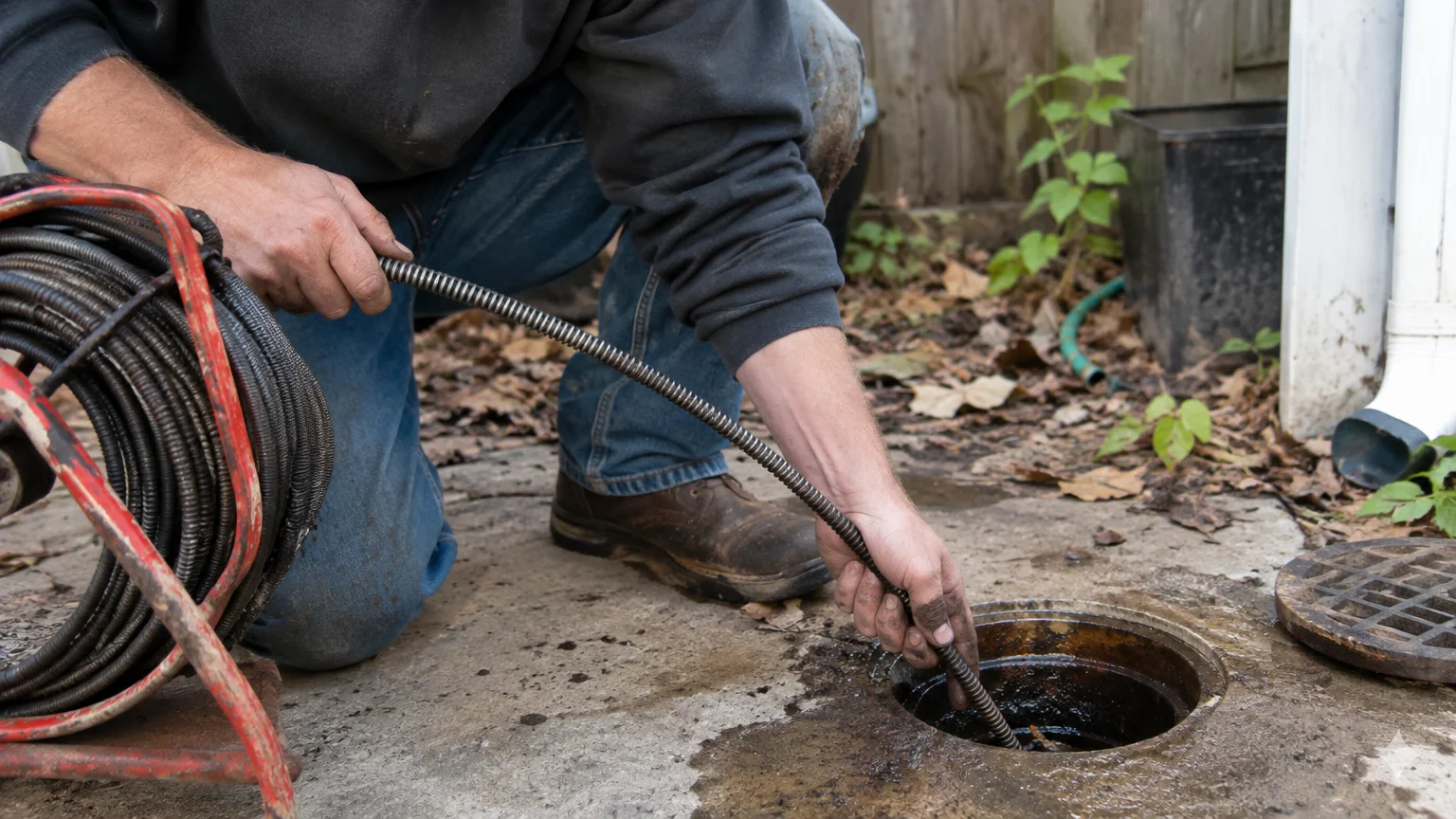
A drain snake is a long, flexible tool that goes into a pipe to reach a clog. A hand-operated tool may have a small hook or coil at its tip. The user feeds it into the drain, then turns or pulls it back to catch debris. Plumbers use longer tools to reach farther into drain lines.
A homemade drain snake alternative is not built in the same way. It may catch loose hair or lint near the opening, but it may not clear grease, hard buildup, or a deep clog. A home drain snake is made for this kind of work, though the right tool still depends on the drain and blockage.
How homemade alternatives differ from plumbing tools
A tool made for drain work often has a smooth, flexible body and a shaped tip. This design can help it move through the drain without scraping the pipe walls. A household item may have sharp edges, weak parts, or a shape that can catch inside the pipe.
Keep your goal simple: remove visible debris or a shallow clog without force. A homemade tool cannot fix a sewer blockage or a damaged pipe. Plumber Jefferson City MO can help property owners decide whether a problem seems limited to one fixture or may involve a larger drain line.
Which household items can help clear a minor drain clog?
A plastic drain-cleaning strip is often the best household choice for a small hair clog near the opening. Small barbs on the strip can catch hair as you pull it out. Use the strip as directed, and do not push it deeper if it meets resistance.
Using a plastic drain-cleaning tool
Hardware and home improvement stores often sell these simple tools. They are made for hair and debris near the opening, not every kind of blockage. Choose one that fits the drain, and check that it is not cracked or rough before use.
Remove the drain cover only if you can do so safely. Feed the strip in slowly, then pull it out without hard twisting. Hold it firmly so it does not slip into the pipe. Put any caught material in the trash instead of washing it back down the drain.
When a bent wire hanger may cause damage
A wire hanger is not a safe stand-in for a plumbing snake. Its end may scratch a fixture, catch on a pipe joint, or become stuck. It can also push hair and other debris farther down the pipe. Do not use one when you do not know the pipe path or the opening is narrow.
Never put a sharp or homemade metal tool into a toilet. The bends inside a toilet can trap an object, and metal can scratch the bowl. A plastic tool made for the fixture is safer. If a cleaning strip cannot reach the clog easily, stop instead of trying a longer or sharper object.
How can you try a homemade drain snake safely?
Try a homemade drain snake only when the clog seems shallow and the fixture drains slowly. Do not try it if water is backing up elsewhere. First clear debris you can see around the drain. Use a plastic strip gently, and stop if it catches or meets firm resistance.
Steps for attempting a shallow, accessible clog
- Protect the area. Put on gloves and move items away from the sink or tub. Keep a small bag or bin nearby for debris.
- Check the drain opening. Remove visible hair or food scraps only if they are easy to reach. Do not put your fingers deep into the pipe.
- Choose a suitable tool. Pick a plastic strip made for drain cleaning. Follow its directions and keep it near the opening.
- Pull out debris gently. Move the strip slowly, then remove anything caught on it. Do not force the strip farther into the drain.
- Test the fixture. Run a little water and watch the flow. Stop if water rises, leaks appear, or the clog remains.
Protecting the drain, pipe, and yourself
Do not mix drain products or add a chemical cleaner after using another product. Liquid left in the pipe may splash or react with something else. If you have already used a chemical cleaner, follow its label and tell a plumber before work begins.
Keep tools clean, and do not use a drain tool near food without washing it well first. If the tool breaks or slips into the pipe, do not try to reach it with another object. A licensed plumber can check the drain and remove a stuck tool without adding more pressure or risking more damage.
When should you use a plunger instead of a drain snake?
A plunger is often a better first choice when a soft clog sits near a sink, tub, or toilet drain. It uses pressure to loosen a blockage, while a snake catches or moves debris. Choose based on the fixture and the kind of clog.
Matching the tool to the fixture
For a sink or tub with standing water, a cup plunger may loosen a nearby clog. A flange plunger has a shape that fits a toilet outlet. Use a clean, separate plunger for the toilet and for sinks. A plunger that does not seal against the fixture will not work well.
A plunger may help when one fixture drains slowly and no other drain is backing up. A plastic strip may work for hair close to a tub or bathroom sink opening. Neither tool is likely to fix a deep sewer problem or a clog caused by a damaged pipe.
Creating a proper seal without forcing the clog
Place the plunger cup over the drain, then press down gently to make a seal. Use steady strokes instead of sharp, hard pushes. If a sink has an overflow opening, cover it with a damp cloth to keep pressure near the drain.
Stop if water rises in another fixture, the flow does not change, or you see a leak. Hard, repeated plunging can splash dirty water and strain weak pipe connections. If a toilet keeps filling or a sink stays blocked after careful use, more force will not solve the problem.
What should you avoid when clearing a drain yourself?
Avoid sharp metal objects, force, and chemical drain cleaners when you do not know what caused the clog. These choices may create a safety risk or harm a fixture. Stop DIY work if the drain shows signs of a bigger problem.
Why chemical drain cleaners can create risks
Some chemical products can burn skin or eyes. They may also stay in the pipe and splash back while you plunge or use a tool. If you have already used one, read and follow its label. Never mix cleaners or add another product to make the first one work faster.
A cleaner may not remove what is blocking the drain. Hair, grease, or an object may still be there even if water moves for a short time. Repeated use can expose people to more chemical residue without fixing the clog. Try a safer physical step only when the product label and situation allow it.
How forceful or unsuitable tools can damage pipes
Do not push a wire, stick, or rough-ended tool into a drain. It may catch on a pipe joint, harm a seal, or get stuck. Old or fragile plumbing may be more likely to suffer damage from force.
Do not keep turning a tool that will not move. It may have reached a bend, a hard object, or a clog beyond its reach. Stop and ease it out if you can. If it is stuck, call a plumber instead of pulling hard or using another tool.
How can you tell whether a clog needs professional attention?
A clog may need professional care when it keeps coming back, affects several fixtures, or causes dirty water to rise. These signs may point to a blockage farther along a drain or sewer line. Stop DIY work if water rises, leaks, or comes from more than one drain.
Warning signs of a deeper drain or sewer problem
Pay attention to signs beyond one sink or tub. One slow drain may have a local clog, while several affected fixtures may share a drain problem. A sewer backup is wastewater flowing back into a building through a drain or fixture. Treat it as serious and avoid touching the water.
Common warning signs include:
- Several slow drains at once, especially in different rooms.
- Water backing up in a tub, floor drain, sink, or toilet.
- Gurgling sounds from fixtures when another drain is used.
- A clog that returns soon after careful clearing.
- Leaks or damp spots near pipes, walls, or cabinets.
These signs do not prove the cause by themselves. A plumber can inspect the system and decide if drain cleaning or sewer line repair is needed. Avoid running more water if it makes a backup worse.
When repeated DIY attempts should stop
Stop when one careful attempt does not improve the drain. Trying the same method again and again can push the clog deeper or make a bigger mess. Stop at once if a tool gets stuck, a pipe leaks, or a chemical product has been used and the drain still needs help.
A licensed plumber can use tools made for the drain line and look for a deeper issue. Plumber Jefferson City MO helps homeowners and property owners learn when professional drain cleaning may be needed. For an urgent backup or active leak, seek emergency plumbing help and keep people away from dirty water.
How can you help prevent future drain clogs?
Simple habits can help keep drains clear. Use a drain screen, remove caught debris, and keep grease and food scraps out of sink drains. These steps cannot prevent every clog, but they can limit what gets into the pipes.
Everyday habits that keep drains clearer
In a bathroom, clear hair from the drain screen before it washes into the pipe. In a kitchen, put food scraps in the trash or compost instead of rinsing them down the sink. Let cooking grease cool, then put it in a suitable container rather than pouring it into a drain.
Do not flush wipes, paper towels, or hygiene products, even if the package says they can be flushed. They may not break down like toilet paper. Keep small objects away from open drains, and make sure everyone at home knows what should stay out of them.
Choosing routine maintenance for the type of drain
Each drain has its own needs. Kitchen sinks collect food and grease, while bathroom drains often collect hair and soap. A floor drain may need its cover checked and cleared of dirt. A screen or strainer can catch debris before it enters the pipe.
If clogs keep coming back, note which fixtures are affected and when the problem starts. This can help a plumber find the cause. Vinegar and baking soda are often suggested for drain cleaning, but they may not clear a real blockage. They should not replace removing visible debris or getting an inspection when problems return.
Frequently Asked Questions
Can a homemade drain snake clear a deep clog?
A homemade tool is usually meant for debris near the drain opening. It may catch loose hair, but it cannot reliably reach or clear a deep blockage. Stop if a gentle attempt does not work. A plumber can check the line and choose a tool that fits the problem.
Is baking soda and vinegar a good way to clean a drain?
Baking soda and vinegar may loosen some light residue, but they are not a sure fix for a solid clog. They will not remove every type of buildup or a blockage deep inside a pipe. Do not mix them with chemical drain products. Use a drain screen and remove visible debris instead.
Can a wire hanger be used as a drain snake?
A wire hanger is not a safe drain snake. Its sharp end may scratch a fixture, catch in a pipe, or push debris farther down. Use a plastic drain-cleaning strip made for the job, and keep it near the opening. Stop if it meets resistance or gets stuck.
How can someone tell whether a drain clog is in the sewer line?
Several slow drains, gurgling fixtures, or wastewater backing up may point to a problem beyond one fixture. These signs do not confirm the exact cause. Stop using affected drains and contact a licensed plumber. Avoid touching backup water because it may contain harmful waste.
When should a homeowner call a plumber for a clogged drain?
Call a plumber when a clog returns, affects several fixtures, causes a backup, or remains after a careful attempt. Stop if a tool gets stuck or a leak appears. Repeated force can make the problem worse. A professional can inspect the drain and find a safe next step.
Key Takeaways
- A homemade drain snake is best for a shallow, minor clog.
- A plastic cleaning strip is safer than a wire hanger.
- Move tools gently and stop when they meet resistance.
- Several slow drains or a sewer backup need prompt attention.
- Screens and careful disposal habits can help prevent clogs.
Conclusion
A plastic drain-cleaning strip may help with hair or debris near a drain opening. It is not a replacement for a plumbing snake or a professional check. Use simple tools carefully, avoid harsh or forceful methods, and stop if the clog remains. For help with a blocked drain or signs of a deeper problem, Contact us to discuss the next step with Plumber Jefferson City MO.
If you are unsure what is causing the problem, a careful check can help prevent more trouble. Homeowners in Jefferson City can use these steps to decide when to stop. Plumber Jefferson City MO can help you understand what to do next.
If you are not sure what you are dealing with, it is worth having someone look at it before it turns into a bigger job. Get in touch with Plumber Jefferson City MO today and we will tell you where you stand.